Travel has always been a way to discover new destinations, get to know cultures and break away from routine. But in recent years, a new motivation has started to influence the choice of hotels, experiences and itineraries: the desire to take care of yourself while on vacation.
It is in this context that wellness tourism gains ground among travelers looking for more than rest. The idea is to turn the trip into an opportunity to reconnect with the body, the mind, nature and habits that contribute to a more balanced life.
From yoga retreats to hotels integrated with nature, through gastronomic experiences, massages and relaxation practices, wellness tourism offers a new perspective on what it means to travel.
And, when associated with luxury hospitality, it reveals an interesting shift: exclusivity is no longer tied only to the sophistication of the spaces, but also includes time, privacy, personalization and meaningful experiences.
What is wellness tourism?
Wellness tourism is a type of travel focused on maintaining or improving personal well-being.
According to the Global Wellness Institute, an international organization dedicated to researching the sector, the concept involves travel associated with the pursuit of a better quality of life.
This means a wellness trip does not need to happen exclusively at a spa or specialized retreat. It can include physical activities, balanced eating, experiences in nature, relaxation practices and moments dedicated to self-care.
Wellness tourism should also not be confused with medical tourism. While the latter involves traveling for health treatments and procedures, wellness prioritizes experiences related to healthy habits, prevention and quality of life.
In practice, the idea is to use the time of the trip to incorporate activities that often take a back seat in everyday routine.
Why is wellness tourism growing worldwide?
Interest in experiences related to health, emotional balance and quality of life has been transforming different sectors, including hospitality.
The growth of wellness tourism can also be seen in the numbers.
According to the 2025 Global Wellness Economy Monitor report, published by the Global Wellness Institute, the global wellness tourism market moved approximately US$ 894 billion in 2024.
The same study indicates that the global wellness economy, considering its different segments, reached US$ 6.8 trillion that year.
These numbers show that well-being is no longer an interest limited to a small group of consumers and has become an important economic activity.
But the growth is not explained only by the demand for spas and treatments.
The appreciation of health, the search for personalized experiences and the desire to keep healthy habits while traveling help expand interest in destinations and accommodations with wellness offerings.
In this scenario, wellness tourism follows a broader transformation in how people want to make the most of their free time.
The new luxury in travel: time, privacy and experiences

For a long time, luxury in hospitality was associated mainly with the grandeur of facilities, exclusive services and the sophistication of the spaces.
These elements remain important, but they now share room with other priorities.
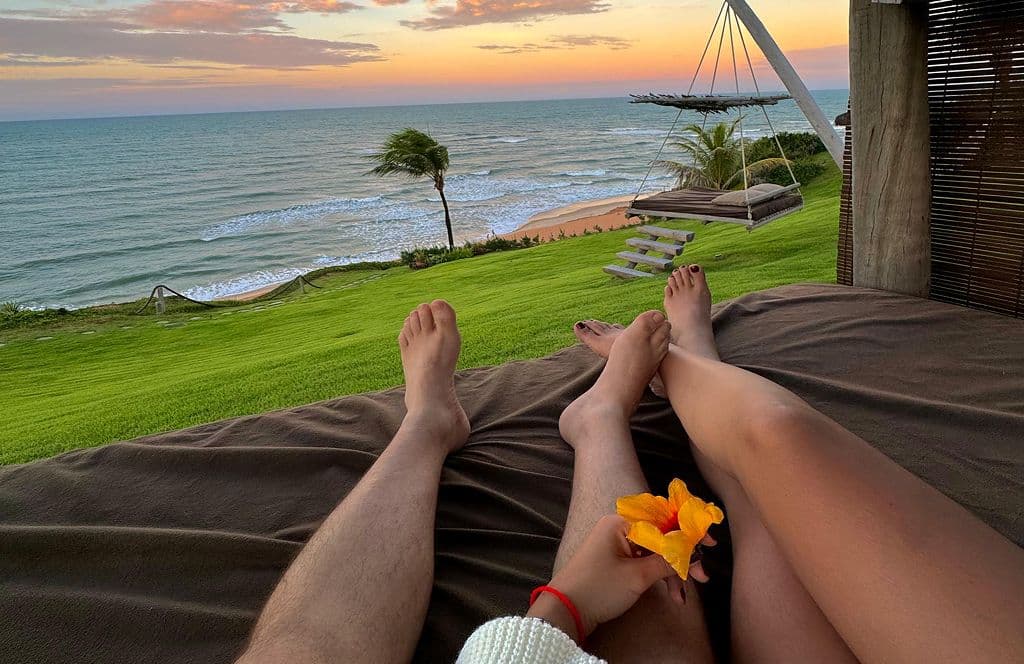
Today, a luxury experience can also mean waking up facing a natural landscape, enjoying personalized service, having privacy and finding time for activities that bring satisfaction and well-being.
The value of a trip is increasingly tied to the quality of the experience.
It is in this meeting of hospitality and self-care that wellness tourism takes on a special dimension.
Boutique hotels, retreats and nature-integrated accommodations can offer environments that favor rest and allow travelers to choose how they want to enjoy each moment.
Luxury, in this context, does not need to be excessive. It can be present in attention to detail, in the authenticity of the cuisine, in comfort and in the freedom to live the trip at your own pace.
Which experiences are part of wellness tourism?
One of the most interesting characteristics of wellness tourism is its diversity.
There is no single format for a wellness trip. Experiences can vary according to the destination, the accommodation's structure and each traveler's interests.
Yoga, stretching and breathing practices
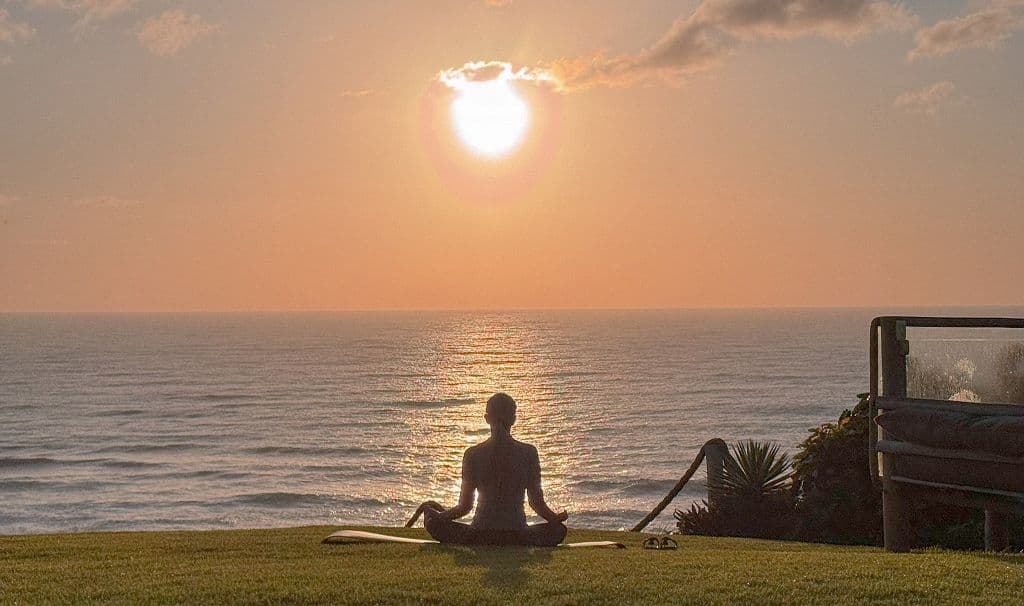
Yoga, stretching and breathing exercises are among the activities frequently associated with wellness trips.
These practices can be part of the program at hotels, retreats or outdoor experiences.
When held in natural settings, they also offer the chance to enjoy the landscape and set aside a moment of attention for your own body.
Prior experience is not necessary to take part in every modality, but it is important to choose activities suited to individual conditions.
Massages and relaxation experiences
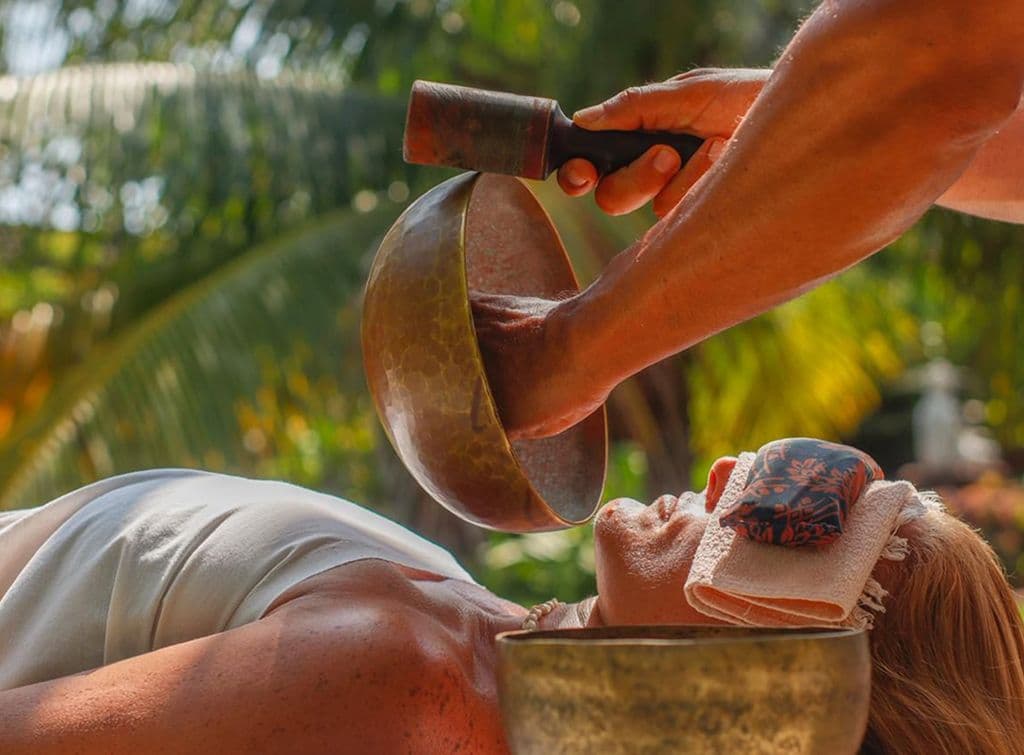
Massages and spa treatments remain an important part of the wellness universe.
During a trip, these experiences can complement days of sightseeing and physical activities.
Some travelers prefer to set aside an individual moment of relaxation. Others choose couples massages or personalized treatments.
The idea is to incorporate self-care into the program, without turning rest into one more obligation.
Contrast therapy and heat and cold experiences
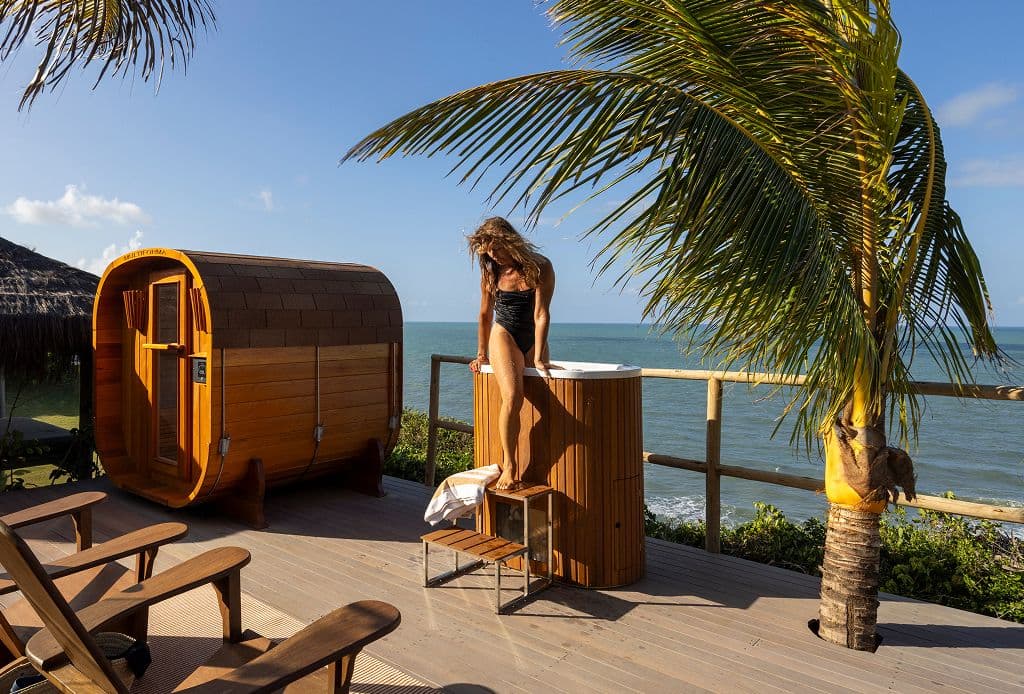
Contrast therapy combines different thermal stimuli, usually involving a sauna and exposure to cold water.
This practice has been gaining ground in wellness experiences, especially in hotels and specialized centers.
Circuits can include a dry sauna, a steam sauna and ice baths, always with proper guidance.
Although some people report feelings of relaxation and energy, the benefits depend on the protocol and on individual conditions. The practice is not suitable for everyone and requires special attention from people with certain health conditions.
For this reason, supervision and the assessment of contraindications are important aspects when choosing the experience.
Gastronomy and mindful eating

Gastronomy is also part of a trip focused on well-being.
Rather than offering restrictive menus, the idea is to value fresh ingredients, balanced preparations and experiences connected to the destination's food culture.
Fruits, vegetables, fish, regional ingredients and locally grown produce can be part of this approach.
Some accommodations also offer nutritional guidance and menus adapted to guests' preferences or needs.
In this way, food stops being just a service of the accommodation and becomes part of the travel experience.
Nature, rest and outdoor activities
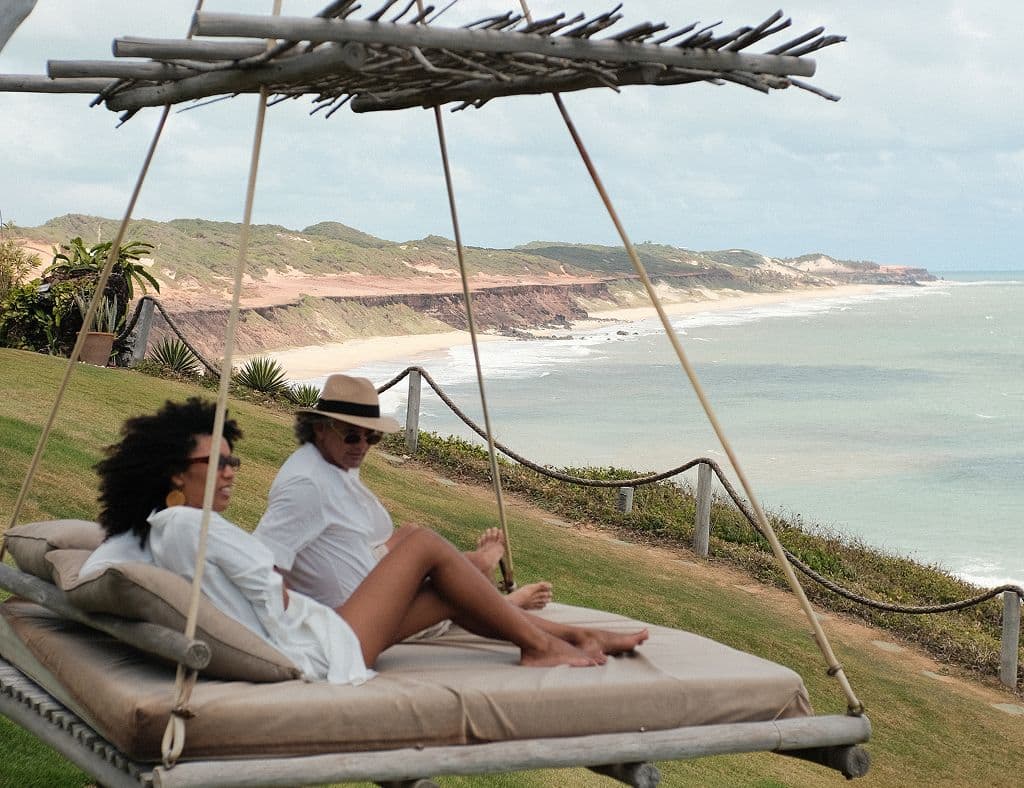
Contact with nature is one of the most present elements of wellness tourism.
Walks, sea swims, contemplating landscapes, outdoor activities and moments of rest can be part of the program.
The difference lies in allowing travelers to experience the destination without needing to fill every hour.
On a wellness trip, enjoying a morning with no commitments can also be a valuable choice.
Wellness tourism and longevity: what is the relationship?
Longevity has been gaining prominence in discussions about health and quality of life.
More than living for many years, the concept of healthy longevity is related to maintaining autonomy, function and well-being throughout life.
In this context, wellness tourism can encourage habits that are part of a healthy lifestyle, such as movement, adequate rest, balanced eating and stress management.
Some hotels and retreats develop specific programs with body practices, nutritional guidance and experiences focused on self-care.
However, it is important to understand that a wellness trip does not replace medical care nor guarantee lasting health benefits.
Its value lies mainly in the opportunity to get to know practices, try new routines and find inspiration for choices that can continue after the vacation.
How to choose a wellness hotel for your next trip?
Choosing the accommodation can transform the experience of those who want to take a wellness trip.
Before booking, it is worth looking at a few criteria.
1. Wellness offering
Check whether the hotel offers structured experiences or only occasional services, such as massages. Both approaches can be interesting, depending on the goal of the trip.
2. Location and contact with nature
Beaches, mountains, gardens and natural landscapes can enrich the experience. The most important thing is to choose an environment that suits your preferences.
3. Available activities
Look at the schedule of yoga, massages, therapies, body practices and outdoor experiences. Also confirm which activities require booking or an additional fee.
4. Gastronomy
Check whether the accommodation values fresh ingredients, offers a variety of options and can meet specific dietary needs.
5. Privacy and service
For those looking for a more exclusive trip, the number of rooms, the personalization of services and the atmosphere of the property can make a difference.
6. Safety and qualified professionals
For experiences that involve exercise, exposure to extreme temperatures or body treatments, look for information about the professionals' qualifications and safety protocols.
These criteria help identify a wellness hotel aligned with each traveler's expectations.
Wellness tourism in the Northeast: nature and hospitality
Brazil's Northeast gathers interesting characteristics for those who want to combine leisure travel with wellness experiences.
The coast offers natural landscapes, beaches, cliffs and different possibilities for outdoor activities.
In addition, the regional cuisine and local culture make it possible to create experiences that connect visitors to the identity of each destination.
In Rio Grande do Norte, the Praia da Pipa region, in the municipality of Tibau do Sul, offers a combination of nature, gastronomy and hospitality.
Visitors can get to know beaches such as Baía dos Golfinhos, Praia do Amor and Praia do Madeiro, explore the Sibaúma region and watch the sunset at Lagoa Guaraíras.
For those looking for wellness tourism in the Northeast, the destination makes it possible to combine tours and cultural experiences with moments dedicated to rest and self-care.
Kilombo Villas: luxury, nature and wellness in the Praia da Pipa region
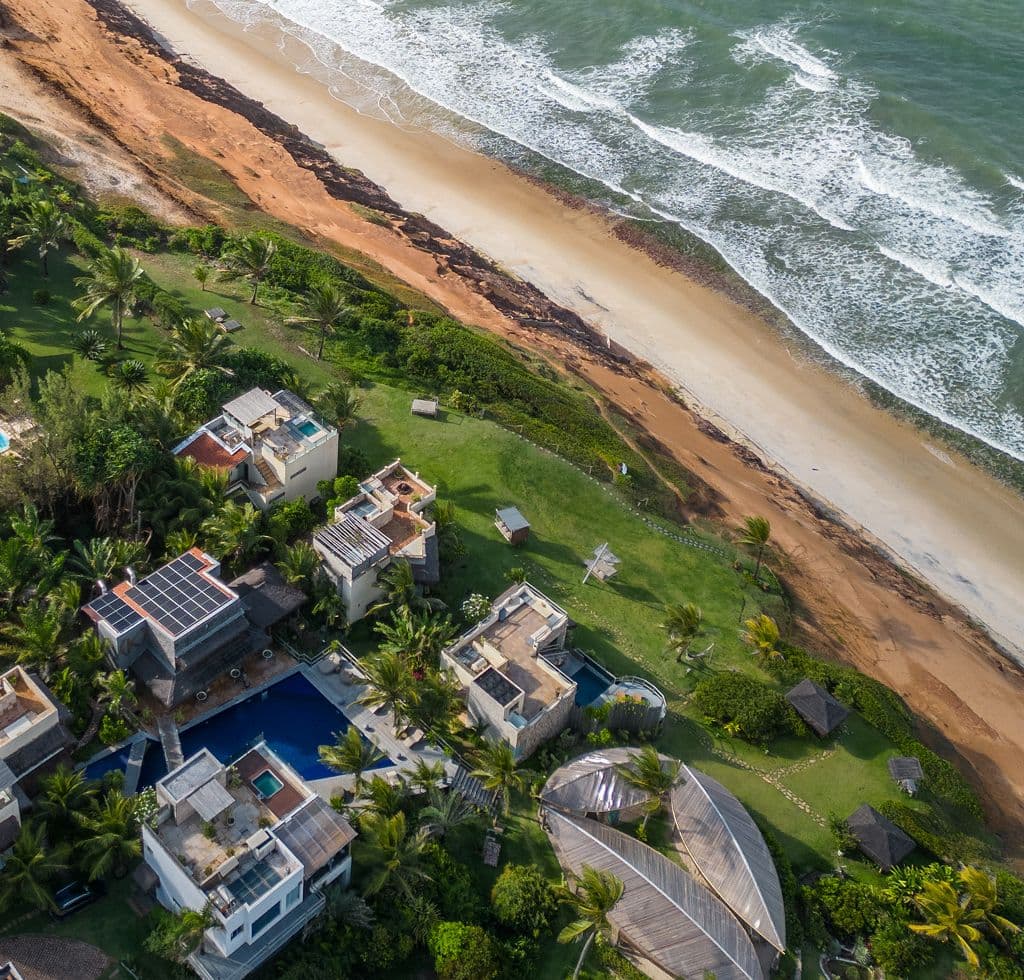
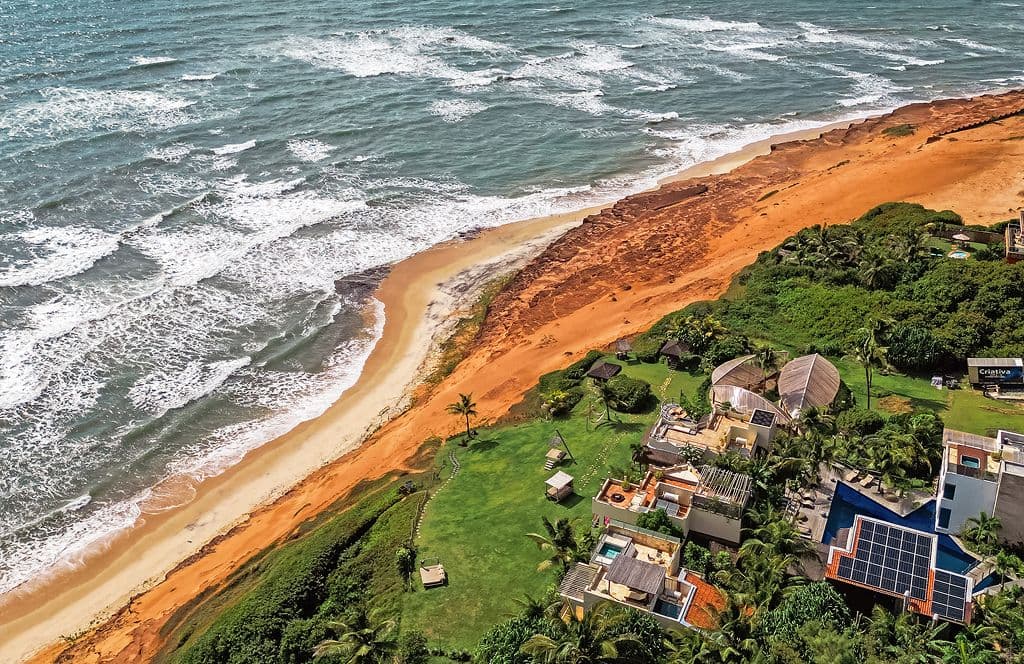
In Sibaúma, only 7 km from Praia da Pipa, Kilombo Villas presents a hospitality proposal that integrates luxury, nature and wellness experiences.
Located on top of a cliff, fully facing the ocean, the hotel has only ten exclusive villas and personalized service.
Contact with the natural landscape is part of the experience, as is the chance to set aside moments for massages, yoga, body practices and relaxation activities.
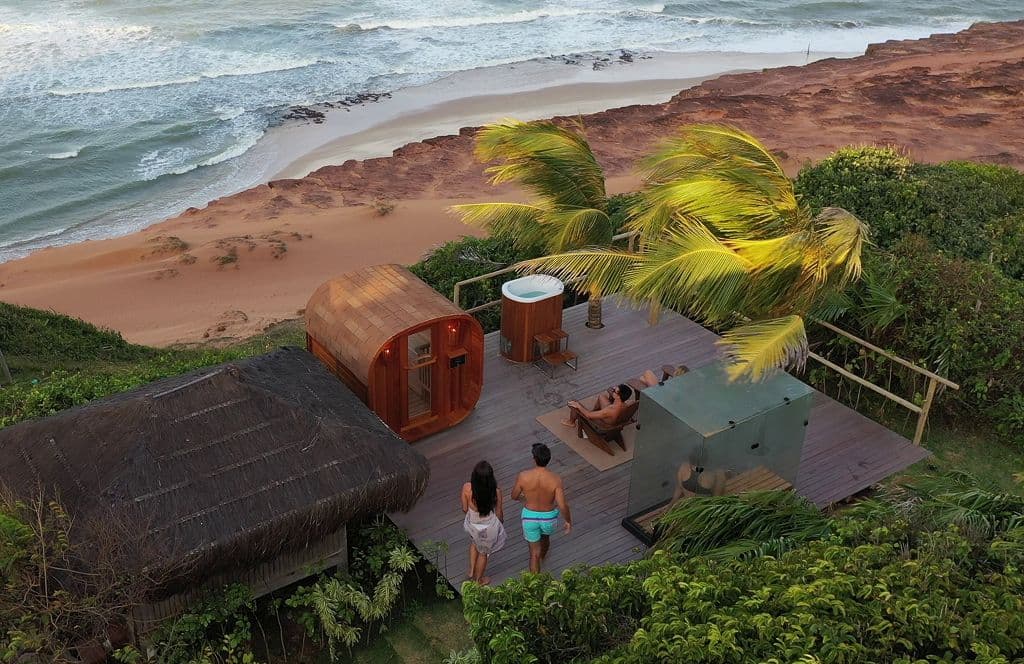
Among the wellness offerings is the Alísio Method, which brings together contrast therapy experiences with a dry sauna, a steam sauna and an ice bath.
Gastronomy is also part of this approach. At Kibo Restaurant, regional ingredients, produce grown in the hotel's garden and fish from local fishermen value the connection with the territory.
Kilombo Villas also offers personalized experiences for guests interested in well-being.
This combination allows the stay to be part of a trip that joins the discovery of Praia da Pipa with moments dedicated to self-care.
Is wellness tourism only for those who attend retreats?
No. One of the main characteristics of wellness tourism is that it can be part of different travel styles.
The Global Wellness Institute distinguishes two traveler profiles.
The first is the one who chooses the destination mainly to live a wellness experience, such as taking part in a yoga retreat or a specialized program.
The second is the traveler who takes a leisure or business trip and decides to include wellness activities during the stay.
This means a person can travel to see a destination's beaches and, at the same time, book a massage, attend a yoga class or choose a hotel with wellness experiences.
Therefore, it is not necessary to organize the whole trip around self-care in order to bring well-being into the itinerary.
How to plan a wellness trip?
The first step is to identify what you expect from the experience.
Some people want to rest. Others look for physical activities, contact with nature or a more structured program.
Then, it is worth choosing a destination and accommodation that offer experiences aligned with these goals.
A three- or four-day trip, for example, can combine tours of the destination, wellness activities and free time.
It is also important to avoid an overly rigid schedule. After all, one of the ideas behind wellness tourism is to let travelers find a more balanced rhythm.
Before the trip, check the availability of activities, participation conditions and the services included in the booking.
Why does wellness tourism represent a new way of traveling?
The growth of wellness tourism reveals a shift in the relationship between travel, hospitality and quality of life.
Travelers keep looking for new destinations, gastronomic experiences and special landscapes. But they also start to consider how they want to feel during their stay.
In this scenario, hotels and destinations that integrate nature, hospitality and personalized experiences expand the possibilities of a trip.
The new luxury is not only in what is offered, but in the quality of the time lived.
And perhaps this is one of the main transformations of contemporary tourism: discovering that traveling can also be an opportunity to take care of yourself.